Saudi fintech Tamara secures $400mln in asset-backed financing
Agreements comprise a SAR 749 million facility with MUFG, and a $200 million loan with Standard Chartered.
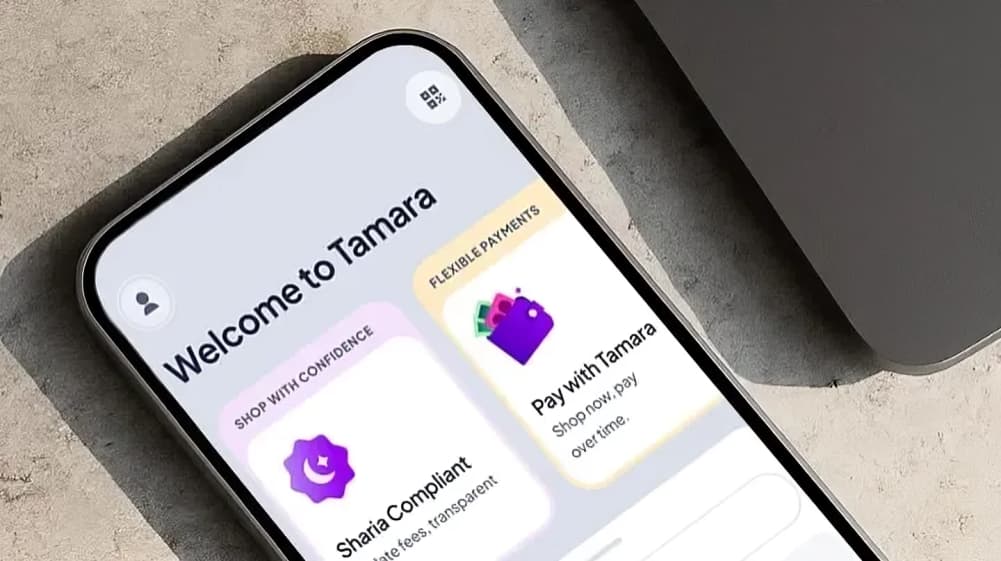
Saudi Fintech Tamara Secures $400 Million in Financing From MUFG and Standard Chartered
RIYADH:
Saudi Arabia-based fintech platform Tamara has expanded its asset-backed financing (ABF) facilities with Japan's MUFG Bank and Standard Chartered, securing commitments with an initial combined value of US$400 million as it looks to diversify its financial products and expand across the Gulf region.
The agreements comprise a SAR749 million facility from MUFG, equivalent to approximately US$200 million, and a further US$200 million expansion of Tamara's existing US dollar-denominated financing facility with Standard Chartered.
The arrangements strengthen Tamara's access to institutional funding as the company expands beyond its original buy-now-pay-later (BNPL) offering into a broader range of financial services.
Tamara said the partnerships would support the continued expansion and diversification of its product portfolio, while strengthening its longer-term funding platform.
The company serves more than 26 million customers and over 160,000 merchants across Saudi Arabia and the wider Gulf Cooperation Council (GCC).
MUFG Introduces Saudi Riyal-Denominated Financing
The agreement with MUFG Bank, part of Japan's Mitsubishi UFJ Financial Group, represents a notable development for the regional fintech sector.
According to Tamara, it is the first time an international bank has extended Saudi riyal-denominated securitization financing to a fintech company in the region.
The SAR749 million facility allows Tamara to access institutional funding in the local currency rather than relying exclusively on US dollar-denominated borrowing.
This is particularly relevant for a company whose principal lending operations are based in Saudi Arabia, where financing in riyals can help align funding with the currency of its underlying consumer financing portfolio.
The transaction also incorporates Shariah-compliant financing structures, reflecting the importance of Islamic finance in Saudi Arabia's financial services market.
MUFG's involvement brings the Japanese financial group's international financing capabilities together with local market execution and structured-finance expertise.
For Tamara, the agreement adds another institutional funding relationship and provides an additional source of capital to support its expanding financing activities.
Standard Chartered Expands Its Existing Facility
The second agreement involves Standard Chartered, which has increased its commitment to Tamara's core US dollar-denominated asset-backed financing facility by US$200 million.
Unlike the MUFG arrangement, this is an expansion of an existing financing relationship rather than an entirely new funding platform.
The agreement also opens the possibility of broader cooperation between the two companies in areas beyond lending.
Tamara and Standard Chartered identified potential collaboration in cash management, debt capital markets and other strategic initiatives.
This could provide Tamara with access to additional banking services as its operations become larger and more complex.
Standard Chartered's international network could also support the fintech's financial infrastructure as it expands its merchant relationships and product offerings across the Middle East.
How Asset-Backed Financing Works
Asset-backed financing allows a company to raise funding against a pool of underlying assets.
For a fintech lender such as Tamara, those assets can include consumer financing receivables: amounts customers are contractually required to repay following purchases or other financing arrangements.
Under a securitization structure, eligible receivables are assigned as collateral to support financing provided by institutional lenders.
The company can then use the funding to support additional financing activity, while repayments from customers contribute to the cash flows used to service the financing arrangements.
This structure is particularly relevant to BNPL and consumer-financing companies because their ability to expand depends partly on having sufficient capital to finance customer purchases and repayment plans.
Tamara's own September 2026 financial statements describe an existing Shariah-compliant securitization structure involving senior financing and a mezzanine Murabaha tranche.
The company also disclosed that the financing is secured against eligible consumer receivables, while Tamara retains exposure to the credit and other risks associated with those receivables.
The newly announced MUFG and Standard Chartered facilities add to this funding strategy, although the company has not disclosed their individual tenors, pricing arrangements or expected utilization schedules.
Tamara's Financing Business Is Expanding
The additional commitments come as Tamara's financing operations have grown substantially.
Its September 2026 interim financial statements show that consumer receivables, net, increased to approximately SAR8.44 billion at September 30, compared with SAR4.05 billion at the end of 2025.
Total assets rose from SAR4.99 billion to SAR9.44 billion over the same period.
The company's nine-month financial performance also improved.
Tamara Finance Company – nine months ended September 30
Financial indicator9M 20259M 2026Total revenueSAR829.1mSAR2.26bnGross profitSAR367.5mSAR928.4mNet profitSAR92.4mSAR411.0mConsumer receivables, net*SAR4.05bnSAR8.44bn
Consumer receivables are balance-sheet figures at December 31, 2025 and September 30, 2026, respectively. Other figures are for the nine-month periods.
The figures indicate a significant expansion in the company's financing activity and revenue generation.
However, growth has also increased the need for external funding. Tamara Finance reported borrowings of approximately SAR7.52 billion at September 30, 2026, compared with SAR3.76 billion at the end of 2025.
Funding costs for the first nine months of 2026 reached SAR316.8 million, more than double the SAR152.4 million reported during the corresponding period in 2025.
These figures illustrate why access to additional institutional financing is important as the company expands its consumer lending portfolio.
The September financial statements reflect the financing position before the November announcements. They should not be interpreted as including the full impact of the newly announced MUFG and Standard Chartered commitments.
From Buy Now, Pay Later to a Broader Financial Platform
Tamara initially built its business around allowing consumers to split purchases into instalments at participating merchants.
Its platform connects shoppers and retailers through digital payment and financing services, providing consumers with flexible payment options while allowing merchants to offer alternative checkout arrangements.
The company has since been developing a wider range of financial products and services.
The latest financing agreements are intended to support that diversification, although Tamara has not identified the specific products or services that will receive funding from the new facilities.
The expansion also reflects a broader shift in the regional fintech market, where companies that initially focused on digital payments and short-term instalments are seeking to develop more comprehensive consumer-financing platforms.
For Tamara, diversifying its product portfolio could create additional revenue opportunities while reducing its reliance on a single financing model.
However, any expansion will also require careful management of credit risk, funding costs and repayment performance.
Building a Larger Institutional Funding Network
The latest agreements follow Tamara's earlier financing arrangements with major international financial institutions.
In September 2025, the company announced an asset-backed financing facility of up to US$2.4 billion involving Goldman Sachs, Citi and funds managed by Apollo.
That arrangement refinanced and expanded an earlier US$500 million facility, providing additional funding capacity for the company's growth and product development.
The new US$400 million commitments from MUFG and Standard Chartered further diversify the company's institutional funding relationships.
The agreements also demonstrate the growing participation of international banks in Saudi Arabia's fintech sector, particularly through structured financing arrangements backed by consumer receivables.
For lenders, such facilities provide exposure to a growing digital-finance market through structured transactions supported by underlying assets. For Tamara, they provide access to capital that can support further lending without requiring an equivalent equity investment.
Supporting Saudi Arabia's Financial Sector Development
The agreements also align with the objectives of Saudi Arabia's Financial Sector Development Program under Vision 2030.
The programme seeks to expand access to financial services, strengthen non-bank financial institutions and develop alternative funding mechanisms across the Kingdom.
Tamara's growth reflects the increasing role of digital financial platforms in the country's consumer and merchant economy.
The company's network of more than 26 million customers and 160,000 merchants gives it an established position in the regional digital payments market.
The additional financing from MUFG and Standard Chartered could support further expansion of that network and the development of financial products for consumers and businesses.
What the New Facilities Mean for Tamara
The US$400 million package provides Tamara with additional funding capacity at a time when its consumer receivables and borrowing requirements are growing.
The MUFG agreement introduces a Saudi riyal-denominated securitization facility from an international bank, while Standard Chartered's commitment expands an existing dollar-denominated financing relationship.
Together, the arrangements strengthen the company's access to institutional capital and support its ambition to develop a broader range of financial services across Saudi Arabia and the GCC.
The companies have not disclosed the financing tenors, interest or profit rates, drawdown schedules or the precise allocation of funds across Tamara's products.
For now, the significance of the agreements lies in the expansion and diversification of Tamara's funding platform, as the Saudi fintech moves towards becoming a broader consumer-finance business rather than relying solely on its original buy-now-pay-later model.