foodpanda Plans Raast QR Payments at Doorstep by 2027 as Digital Orders Reach 50% in Pakistan
foodpanda plans Raast QR payments at doorstep by 2027 as digital orders reach 50% in PakistanKARACHI:foodpanda plans to introduce Raast QR payments at customers' doorsteps in Pakistan by 2027 as it…
foodpanda plans Raast QR payments at doorstep by 2027 as digital orders reach 50% in Pakistan
KARACHI:
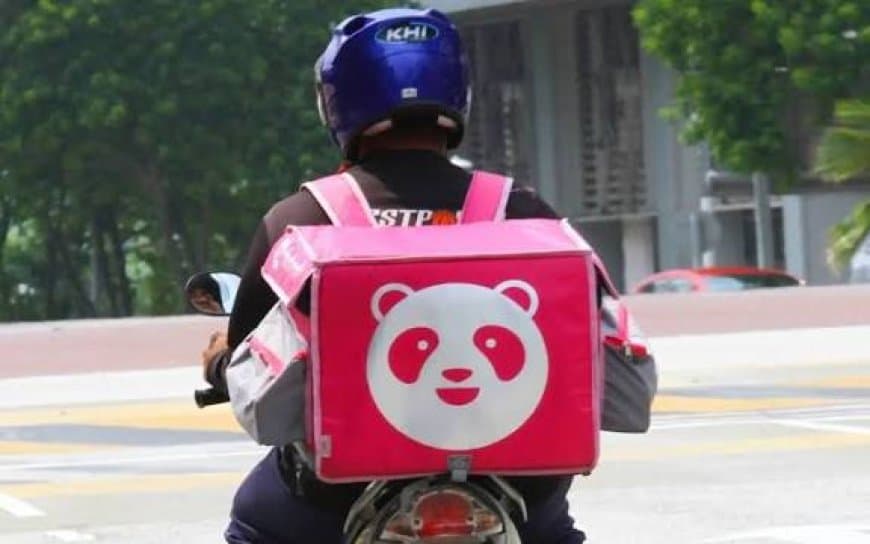
foodpanda plans to introduce Raast QR payments at customers' doorsteps in Pakistan by 2027 as it seeks to convert more cash-on-delivery (COD) orders into digital transactions.
The food delivery and quick-commerce platform said approximately 50% of its orders, including food deliveries and pandamart grocery purchases, are now paid digitally. The figure marks a significant increase from 2016, when digital payments accounted for only 2% to 3% of its transactions following its launch in Pakistan.
The proposed payment facility will allow delivery riders to generate a Raast QR code when they reach customers. Shoppers will then be able to scan the code and transfer the payment directly from their bank accounts or supported digital payment applications.
The approach is intended to address a common reason customers continue to use cash: the preference to pay only after receiving an order. By introducing QR payments at the point of delivery, foodpanda aims to retain that reassurance while enabling customers to complete transactions digitally.
According to the company, the initiative has already been tested in the Philippines and Malaysia.
Digital payments account for 92% of Pakistan's retail transactions
foodpanda's plans come as Pakistan's digital payments infrastructure continues to expand.
The State Bank of Pakistan's (SBP) FY2025-26 payment-system data showed that digital channels accounted for approximately 92.3% of retail transactions by volume, compared with 88% in the previous financial year.
Of approximately 14.3 billion retail transactions processed through formal banking channels during FY26, around 13.2 billion were digital. Their combined value reached approximately Rs257 trillion, compared with Rs179 trillion in FY25.
Mobile-based payment channels were a major contributor to the increase. Transactions through mobile banking applications, branchless banking applications and electronic money institutions exceeded 11.1 billion during the financial year, representing annual growth of approximately 79%.
The figures demonstrate the growing use of digital payment services across Pakistan, although the 92% national adoption rate should not be confused with foodpanda's own 50% digital-order share. The two figures cover different payment populations and transaction categories.
Raast expansion creates opportunities for doorstep payments
The growth of Raast, Pakistan's instant payment system, provides an important foundation for foodpanda's proposed QR payment facility.
According to the SBP's FY26 report, Raast processed approximately 2.76 billion transactions worth Rs80.1 trillion during the financial year. This compares with 1.28 billion transactions valued at Rs29.6 trillion in FY25.
The system recorded substantial growth in person-to-merchant (P2M) payments, which are particularly relevant to businesses accepting digital payments from customers.
The SBP's Governor's Annual Report for FY26 said monthly P2M transactions reached 86 million in June 2026, compared with approximately 4.3 million in September 2025. The report also highlighted the government's Rs3.5 billion subsidy programme for Raast QR payments, introduced to encourage merchant onboarding and reduce payment acceptance costs.
For foodpanda, integrating Raast into the delivery process could provide an additional payment option for customers who do not want to pay online before their orders arrive.
The proposed system would also allow transactions to move directly between customer accounts and merchant payment arrangements, rather than relying on physical cash collection by delivery riders.
Younger customers drive foodpanda's digital payment adoption
foodpanda attributed much of its digital payment growth to the demographic composition of its customer base.
The company said approximately 80% of its users are between 18 and 35 years old. According to the platform, customers in this age group are more inclined to use digital payment methods because they value faster transactions and convenient checkout experiences.
Digital wallets and bank cards are currently the fastest-growing payment channels on the platform, although foodpanda has not disclosed the precise division between the two.
The company also said customers who pay digitally place orders approximately 2.2 times as frequently as cash-on-delivery customers and spend roughly twice as much.
These figures suggest that expanding digital payments could benefit the platform beyond reducing cash handling. Higher digital adoption may also strengthen customer engagement and increase transaction activity across its food delivery and grocery businesses.
However, foodpanda declined to disclose customer retention figures and year-on-year growth rates for digital payments, citing corporate policy.
Discounts and loyalty programs support cashless adoption
Foodpanda is also working with banks and digital wallet providers to encourage customers to move towards cashless payments.
The company said percentage-based discounts and flat-rate promotional offers are used to introduce customers to digital payment options. Such partnerships can encourage customers to try card and wallet payments while providing participating financial institutions with access to frequent consumer transactions.
However, the platform said its strategy extends beyond promotional discounts. It is expanding into loyalty-based initiatives and customer rewards to encourage continued use of digital payment methods after promotional campaigns end.
For partner banks, foodpanda said the commercial benefits include opportunities to increase card activation, strengthen customers' preference for particular payment products and improve returns on existing card portfolios.
Food delivery, groceries and everyday essentials are high-frequency consumer categories, making them relevant channels for financial institutions seeking to increase the regular use of their payment services.
Payment infrastructure continues to expand
The proposed Raast integration forms part of a broader expansion of Pakistan's digital payment infrastructure.
According to the SBP's FY26 reporting, the country's point-of-sale network reached 337,791 terminals across 295,367 merchant locations. Daily card payments also increased to approximately 1.5 million from around one million a year earlier, according to figures cited in Business Recorder's report.
The expansion of merchant acceptance infrastructure, mobile banking services and instant payment channels has created more opportunities for consumers to make digital transactions.
Nevertheless, delivery services present a distinct challenge because customers often prefer to settle payments when an order reaches their homes rather than paying in advance.
No fixed digital payment adoption target
Despite its plans to introduce doorstep Raast QR payments, foodpanda said it does not operate with a fixed percentage target for digital payment adoption.
Instead, the company is focusing on expanding available payment methods and working with banks and fintech companies to improve transaction success rates.
It has also linked its initiatives to the objectives of the SBP's National Financial Inclusion Strategy 2024–28, which seeks to improve access to financial services and encourage greater use of digital payment channels.
The planned 2027 rollout could provide another option for customers who currently rely on cash-on-delivery. Its broader impact will depend on implementation, customer adoption and the ability of riders and payment providers to support reliable QR transactions at the point of delivery.
For Pakistan's digital payments transition, the move highlights an important distinction: increasing digital payments before an order is placed is only part of the challenge. Making cashless transactions convenient when customers receive their purchases is another step in reducing reliance on cash.