Seven suitors in five years, and Samba Bank is still not sold
Najd Gateway has let its offer for Samba Bank lapse, the seventh would-be buyer since 2021. The problem is not that nobody wants the bank. It is that nobody will pay what its Saudi owner wants.
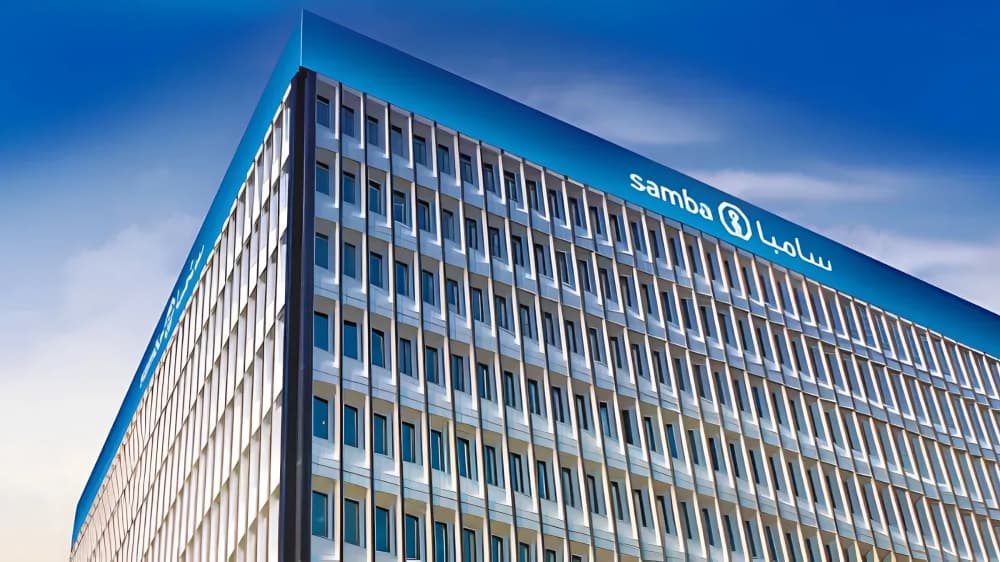
Seven Suitors in Five Years, but Samba Bank Is Still Not Sold as Saudi Owner's Exit Remains Uncertain
KARACHI:
Saudi National Bank's (SNB) repeated attempts to sell its controlling stake in Pakistan's Samba Bank Limited have yet to produce a completed transaction, despite attracting interest from seven potential buyers over the past five years.
The latest development involves Saudi-based Najd Gateway Holding Company, which withdrew its earlier public announcement of intention to acquire approximately 84.51% of Samba Bank on November 17 after the regulatory deadline for making a formal public offer expired.
The Riyadh-based investment company, wholly owned by Prince Mansour bin Mohammed S. Al Saud, had initially announced its intention to acquire 852.04 million ordinary shares from SNB on February 18, 2026.
Under Pakistan's takeover regulations, the proposed acquisition required a formal public offer to minority shareholders within the prescribed regulatory timeframe. Najd Gateway obtained a 90-day extension in August, but the extended deadline also expired on November 17.
However, the withdrawal did not signal the end of the transaction.
Arif Habib Limited, acting as the manager to the offer, informed the Pakistan Stock Exchange (PSX) that the parties were in the final stages of executing a share purchase agreement (SPA). Najd Gateway reaffirmed its commitment to the acquisition and subsequently issued a fresh public announcement of intention, which was published on November 19.
The proposed transaction remains subject to the execution of the share purchase agreement and the required regulatory approvals.
Seven Potential Buyers, No Completed Transaction
Najd Gateway is the seventh prospective buyer to express interest in acquiring Samba Bank since 2021.
The earlier interested parties included Meezan Bank, fintech company TAG, a consortium led by Fatima Fertilizer, United Bank Limited (UBL), Askari Bank and Bank Alfalah.
The first sale process began in September 2021, when SNB announced that it was reviewing its strategic options for its Pakistani subsidiary following the merger of Saudi National Bank with Samba Financial Group.
Meezan Bank submitted an initial non-binding offer but subsequently withdrew after the proposed valuation failed to meet its expectations, according to earlier reporting.
TAG, a financial technology startup, also explored acquiring the bank as a potential route to obtaining a full banking licence. However, its proposed transaction collapsed in February 2022 amid allegations concerning documentation submitted during the process.
Three other prospective buyers subsequently received regulatory permission to conduct due diligence: UBL, Askari Bank and a consortium comprising Fatima Fertilizer, Gulf Islamic Investments and participating members of Samba Bank's management.
Despite the interest, SNB terminated the entire sale process on May 18, 2022, citing uncertainty in Pakistan's banking sector and the prevailing market outlook.
The sale was revived in March 2024 when Bank Alfalah submitted a non-binding offer to acquire SNB's 84.51% stake. The State Bank of Pakistan (SBP) subsequently allowed Bank Alfalah to conduct due diligence.
However, on November 12, 2024, SNB again terminated the divestment process after completing due diligence and exploring the potential sale.
Bank Alfalah subsequently withdrew its public announcement of intention.
Valuation Remains a Major Obstacle
Although the bank has attracted several interested buyers, the repeated failure to complete a transaction suggests that securing an acceptable valuation remains a significant challenge.
In two of the three major sale processes, SNB ultimately decided against proceeding with the transaction. Earlier reporting has pointed to differences over price and the valuation expectations of the seller and potential buyers.
During the 2022 process, the deteriorating economic environment and relatively low valuation multiples in Pakistan's banking sector were cited as factors affecting the transaction.
The 2024 sale process also ended without an acquisition, although SNB did not publicly disclose a detailed explanation for its decision.
The distinction is important: Samba Bank has not lacked potential buyers. Rather, repeated interest has failed to translate into an agreement that satisfies the parties involved.
Samba Bank's Financial Performance Comes Under Pressure
The prolonged sale process is taking place as Samba Bank faces pressure on its earnings and operating performance.
According to the bank's financial statements for the nine months ended September 30, 2026, profit after tax declined to Rs174 million, compared with Rs472.4 million during the corresponding period in 2025.
Net interest income also fell to Rs3.40 billion from Rs4.31 billion a year earlier, while total income declined to Rs4.63 billion from Rs5.72 billion.
For the third quarter alone, Samba Bank reported a loss after tax of approximately Rs99.6 million, compared with a profit of Rs286.9 million in the same quarter of 2025.
The bank's balance sheet also showed changes in its funding and lending position.
Customer deposits stood at approximately Rs109.5 billion at the end of September 2026, down from Rs118.9 billion at December 2025. Advances declined to Rs52.9 billion from Rs60.6 billion over the same period.
Total assets, meanwhile, increased to approximately Rs213.2 billion from Rs206.4 billion at the end of 2025.
These developments could complicate negotiations with potential buyers, as an acquisition valuation must account for the bank's earnings capacity, deposit base, asset quality and future capital requirements.
A Small Banking Operation With Strategic Potential
Samba Bank's relatively limited market presence has been both an attraction and a challenge in previous sale discussions.
The bank operates a smaller branch network than Pakistan's major commercial lenders and has historically maintained a modest share of the country's total banking deposits.
For an established banking group, acquiring Samba could provide an opportunity to expand its customer base, strengthen its geographical presence and increase its participation in Pakistan's financial services market.
However, integrating a smaller lender into an existing banking operation also involves additional considerations, including regulatory requirements, operational restructuring, technology integration and workforce management.
The bank's employees also raised concerns during the earlier sale process, particularly over the possibility of job reductions if a new owner decided to merge its operations with another lender.
These concerns reportedly contributed to uncertainty surrounding the 2022 transaction.
For SNB, maintaining a relatively small banking subsidiary in Pakistan also involves capital allocation considerations. International banking regulations require financial institutions to maintain capital against the risks associated with their operations, making smaller overseas subsidiaries a potential use of capital that could otherwise be deployed in larger markets.
What Happens Next?
Najd Gateway's fresh announcement of intention gives the proposed acquisition another opportunity to proceed through Pakistan's regulatory framework.
The latest public announcement covers the acquisition of 852.04 million shares, representing approximately 84.51% of Samba Bank's issued and paid-up capital through a share purchase agreement.
The proposed transaction also includes a public offer for at least 78.1 million additional shares, representing approximately 7.75% of the bank's capital, in accordance with the applicable takeover regulations.
The bank's shares closed at Rs13.42 on November 16, while the 28-day volume-weighted average price preceding the fresh announcement stood at Rs13.95, according to the acquisition disclosure.
No final purchase price has been publicly disclosed.
The transaction will still require completion of the share purchase agreement, the formal offer process and the necessary regulatory approvals before ownership can change.
For now, Najd Gateway remains committed to the proposed acquisition, but the bank's history of unsuccessful sale attempts leaves the outcome uncertain.
Five years after SNB first began exploring an exit, Samba Bank remains under Saudi ownership. Whether the latest prospective buyer can finally complete the transaction will depend on whether the parties can resolve the commercial and regulatory issues that have stalled previous attempts.