Pure Life was born in Pakistan. Now Nestlé is letting it go
Nestlé Pakistan will move its water business into a subsidiary and sell it, as its Swiss parent puts half of its global water business into a joint venture with Platinum Equity. The minority shareholders who own 41% of the company have not yet been told the price.
Pure Life Was Born in Pakistan. Now Nestlé Is Preparing to Sell Its Water Business
KARACHI:
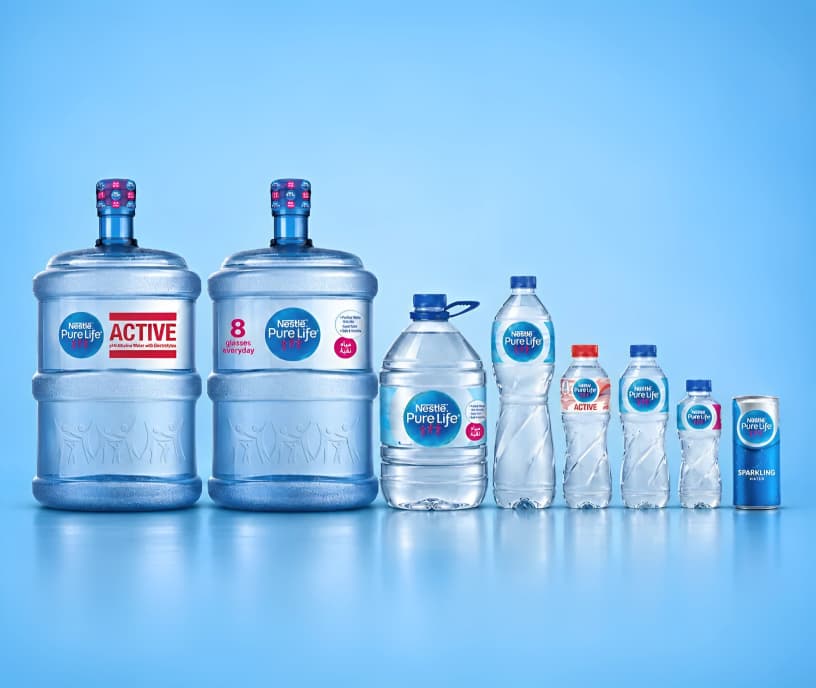
Nestlé Pure Life is one of the few global brands that can claim Pakistan as its birthplace. The company says the brand was first launched here in 1998, before expanding internationally and becoming one of Nestlé’s billion-franc brands.
Twenty-eight years later, Nestlé Pakistan is preparing to transfer its local water business into a separate company and sell its stake as part of a wider global transaction involving private equity firm Platinum Equity.
On November 18, the board of Nestlé Pakistan Limited approved a scheme of arrangement to transfer its water business to Waters and Premium Beverages Pk (Private) Limited (WPB), a wholly owned subsidiary. In exchange, the subsidiary will issue ordinary shares to Nestlé Pakistan.
Once the scheme becomes effective, Nestlé Pakistan intends to dispose of its shareholding in WPB at fair market value.
The move is part of a global arrangement under which Nestlé S.A., the Swiss parent company and majority shareholder of Nestlé Pakistan, is combining its waters and premium beverages business with Platinum Equity in a 50:50 joint venture called Peranel.
But while the global transaction has a disclosed valuation, the value of the Pakistani business remains unknown. Nestlé Pakistan has not announced how much the water division earns, what assets and liabilities will be transferred, or what price it expects to receive.
That leaves an important question for the company's minority shareholders: how will the local business be valued when the transaction involves a buyer in which their controlling shareholder will also hold an interest?
How the Pakistan Transaction Will Work
The November 18 disclosure outlines a two-stage process.
First, Nestlé Pakistan will transfer its local water business to WPB through a scheme of arrangement under Sections 279 to 283 and 285(8) of the Companies Act, 2017. The subsidiary will issue ordinary shares to Nestlé Pakistan as consideration for receiving the business.
Second, after the scheme takes effect, Nestlé Pakistan plans to sell its shareholding in WPB at fair market value as part of the wider Nestlé–Platinum Equity transaction.
The proposed arrangement is not yet complete. It requires approval from Nestlé Pakistan's shareholders and creditors, as well as sanction from the Lahore High Court. The board has resolved to convene an Extraordinary General Meeting to seek shareholder approval.
The company has not disclosed the number of WPB shares to be issued, the proposed valuation of the transferred business, or the expected proceeds from the subsequent disposal.
These details will be central to assessing the financial implications for Nestlé Pakistan and its shareholders.
A Global Deal Valued at €4.9 Billion
The local restructuring follows an announcement made on July 23, 2026, when Nestlé and Platinum Equity unveiled plans to establish Peranel as a 50:50 joint venture covering Nestlé's waters and premium beverages business.
The proposed business includes more than 30 brands sold in 120 countries. Its portfolio includes S.Pellegrino, Perrier, Acqua Panna, the global Nestlé Pure Life brand and other regional water and premium hydration products.
Nestlé and Platinum Equity assigned Peranel an enterprise value of €4.9 billion, equivalent to approximately CHF4.5 billion. Nestlé said the transaction would generate cash proceeds of around €3 billion, or CHF2.8 billion, at closing.
The global transaction is expected to close in the first half of 2027, subject to employee consultation processes and applicable regulatory approvals.
However, the €4.9 billion enterprise value applies to the entire international business. It does not disclose how much of that value is attributable to Pakistan, nor does it provide a basis for calculating the price of Nestlé Pakistan's water operations independently.
The Competition Commission of Pakistan approved the proposed joint venture following a Phase-I assessment on November 7. Its announcement said the transaction includes bottled water operations in Pakistan and described the intended transfer of the local business as a going concern into a newly incorporated subsidiary before its shares move into the wider joint venture structure.
The Shareholder Overlap
The ownership structure makes the local transaction particularly important for minority investors.
According to Nestlé Pakistan's published shareholding information for December 31, 2025, Société des Produits Nestlé S.A. held 61.60% of the company's shares. The remaining shares were held by other investors, including institutional and public shareholders.
Société des Produits Nestlé S.A. is part of the Nestlé group. Its parent, Nestlé S.A., is the party entering the Peranel joint venture with Platinum Equity.
This creates an overlap between the controlling shareholder of Nestlé Pakistan and the ownership structure of the proposed buyer.
Nestlé S.A. controls the listed Pakistani company through its majority holding, while also becoming a 50% partner in the global business that is intended to receive the water operations.
That overlap does not, by itself, establish that the transaction is unfair or that minority shareholders will be disadvantaged. However, it makes the valuation process and the terms of the eventual sale especially important.
For shareholders outside the Nestlé group, the key issue is whether the local water business will be transferred at a price that properly reflects its assets, earnings potential and future cash flows.
What Nestlé Pakistan's Financial Statements Reveal
Nestlé Pakistan's published financial statements provide some information about the scale of its broader beverage operations, but they do not isolate the financial performance of the water business.
For the year ended December 31, 2025, the company's powdered and liquid beverages segment reported revenue of approximately Rs42.37 billion, compared with Rs39.96 billion in 2024.
The segment also reported operating profit before tax and unallocated expenses of approximately Rs3.84 billion in 2025, against Rs2.73 billion in the previous year.
However, these figures cover a wider category that includes drinking water, powdered beverages and other liquid beverage products. They cannot be treated as the revenue or profit of Pure Life and the water division alone.
The distinction matters because investors need to understand the financial contribution of the specific business being transferred, rather than rely on figures covering several product categories.
Without separate disclosure of water-related revenue, operating profit, assets, liabilities and capital expenditure, shareholders cannot independently determine the value of the business being separated.
The Valuation Question
Nestlé Pakistan has stated that it intends to dispose of its WPB shareholding at fair market value. However, the November 18 announcement does not specify how that value will be established.
Several details remain undisclosed:
The valuation of the Pakistani water business before its transfer to WPB.
The assets, liabilities and working capital included in the transfer.
The subsidiary's expected revenue, operating profit and cash flow.
The valuation methodology and whether an independent valuation will be obtained.
The expected sale proceeds and the proposed timing of the disposal.
The financial and operational arrangements governing the business after it joins the wider Peranel structure.
The global enterprise value of €4.9 billion provides context for the broader transaction, but it cannot be used to estimate Pakistan's share without information about the local business and the methodology used to allocate value across the international portfolio.
The eventual shareholder documentation and court-sanctioned scheme will therefore be important sources of information for investors seeking to assess the transaction.
What Happens to Minority Shareholders?
Nestlé Pakistan's minority shareholders will not directly become owners of Peranel simply because the local water business is included in the global transaction.
Instead, the announced structure involves transferring the water operations into WPB, receiving shares in that subsidiary and then disposing of those shares at fair market value.
The financial consequences for Nestlé Pakistan will depend on the price received, the assets and earnings removed from the listed company, and how the proceeds are treated after the sale.
The approval process provides several formal checks. The scheme requires shareholder and creditor approval and sanction from the Lahore High Court. These steps will determine whether the proposed restructuring can proceed.
However, the information disclosed so far does not establish what valuation will be presented to shareholders or what independent assessment will accompany it.
The question is not simply whether Nestlé Pakistan receives payment for the business. It is whether the consideration reflects the value of the business being transferred and whether shareholders have enough information to evaluate that price before voting.
A Global Restructuring With a Local Price Still to Be Determined
For Nestlé, the Peranel transaction creates a dedicated global business focused on water and premium beverages, with Platinum Equity bringing private equity investment and operational expertise.
For Pakistan, it marks a potential change in ownership of a business built around a brand that began in the country and later became part of Nestlé's international portfolio.
But the local transaction remains at an early stage. The board has approved the scheme, not completed the transfer or disclosed the final sale price.
Until Nestlé Pakistan provides a valuation, financial details for the water division and the terms of the disposal, investors will be unable to determine precisely what the business is worth or how much value the listed company will receive in return.
The central question for shareholders is therefore straightforward: when Nestlé Pakistan sells the business to a joint venture in which its controlling shareholder will own half, will the price reflect the full value of the Pakistani water operations?