
Power Division proposes mechanism to cap three-month electricity tariff increase at Rs0.83 per unit
Proposed fuel cost adjustment mechanism aims to contain electricity tariff increases during October-December 2026 amid elevated international fuel prices.
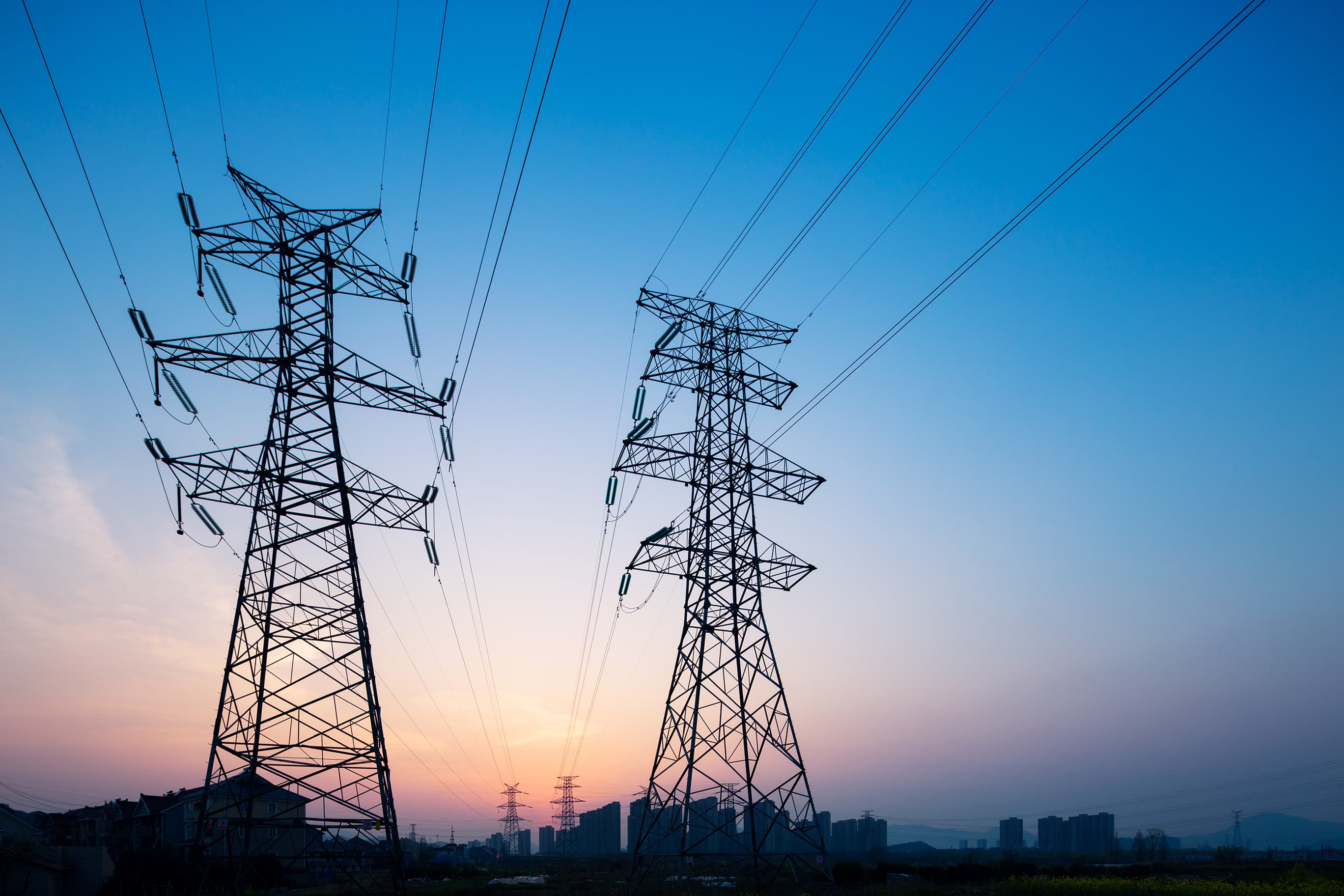
ISLAMABAD: The Power Division has proposed a Forward-Looking Fuel Cost Adjustment (FFCA) mechanism to limit the expected electricity tariff increase to around Rs0.83 per unit, inclusive of taxes, over three months (October-December 2026), compared to the September 2026 FCA.
The proposed mechanism aims to protect electricity consumers from a substantial increase in monthly fuel cost adjustments (FCAs) amid elevated international fuel prices following the Iran-US war and the resulting energy crisis in the Middle East.
According to the Power Division, the proposed arrangement is intended to maintain tariff stability during the winter months, when a seasonal decline in hydropower generation increases reliance on thermal power plants and imported fuels.
The Power Division noted that thermal fuels account for more than 80 percent of the electricity generation mix during certain winter months, traditionally pushing up power generation costs. The situation has become more challenging due to elevated international prices of regasified liquefied natural gas (RLNG) and coal following the Iran-US war, creating the risk of a substantial increase in monthly FCAs.
Under the proposed mechanism, the expected increase in electricity tariffs for October-December 2026 would be restricted to approximately Rs0.83 per unit, inclusive of taxes, over the September 2026 FCA. Following the requisite approvals, the Power Division will issue policy guidelines to the National Electric Power Regulatory Authority (NEPRA) for the implementation of the proposed FFCA mechanism.
The Power Division maintained that the government had already undertaken several policy measures and reforms to reduce electricity tariffs and protect consumers from fluctuations in international fuel prices.
When the present government assumed office in March 2024, the national average electricity tariff, inclusive of taxes, stood at Rs53.04 per unit, while the industrial tariff was Rs62.99 per unit.
Through policy initiatives and reforms, the government reduced the national average tariff by Rs8.76 per unit to Rs44.28 per unit by March 2026, before the onset of the Iran-US war and the ensuing energy crisis in the Middle East. The reduction in industrial electricity tariffs was even more significant, with the tariff declining by Rs18.49 per unit from Rs62.99 to Rs44.50 per unit during the same period.
However, the subsequent increase in international fuel prices, particularly those of RLNG and coal, exerted upward pressure on monthly FCAs, creating additional challenges for electricity consumers.
The Power Division said it closely monitored developments in international energy markets and implemented a carefully planned and publicly announced load management strategy, alongside measures to optimise the utilisation of available fuel supplies, to contain the impact of rising fuel costs.
As a result, consumers were protected from a potential additional FCA increase of Rs6 to Rs7 per unit during April-September 2026. The combined increase under FCAs and Quarterly Tariff Adjustments (QTAs) was restricted to an average of Rs2.38 per unit, inclusive of taxes, during this period.
The Power Division said the proposed forward-looking adjustment mechanism was designed to provide greater predictability in electricity prices and reduce uncertainty arising from monthly tariff adjustments.
It added that greater predictability in electricity prices would particularly benefit the business community by enabling industries and commercial consumers to plan their operational expenses and business decisions more effectively.
The government, according to the Power Division, remains committed to protecting electricity consumers, maintaining tariff stability and supporting economic activity amid challenging international energy market conditions.
The division will continue monitoring developments in international fuel markets and take the necessary measures to minimise the impact of external fuel price shocks on domestic electricity consumers.