Pakistan’s car sales stagnate over two decades despite 600,000-unit production capacity
Pakistan’s automobile sales have remained largely stagnant over the past two decades, with industry experts attributing the lack of growth to economic instability, weak consumer purchasing power, inconsistent government policies, and limited access to affordable financing.
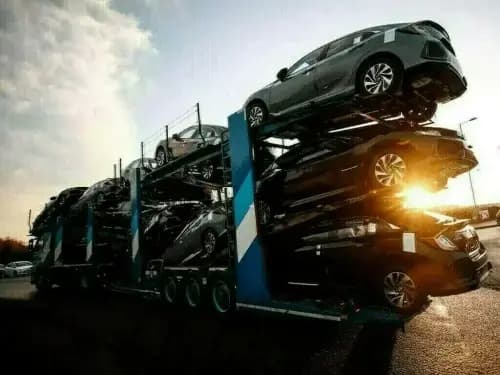
Pakistan’s automobile sales have remained largely stagnant over the past two decades, with industry experts attributing the lack of growth to economic instability, weak consumer purchasing power, inconsistent government policies, and limited access to affordable financing.
Pakistan Association of Automotive Parts & Accessories Manufacturers (PAAPAM) Chairman Abdul Rehman Aizaz told Business Recorder that local car sales stood at 152,000 units in 2005, compared with 148,000 units in 2025, reflecting little growth despite the passage of 20 years.
He said the stagnation was not a failure of the industry but a consequence of recurring economic disruptions, boom-and-bust cycles, and policy uncertainty that had prevented manufacturers from expanding their operations.
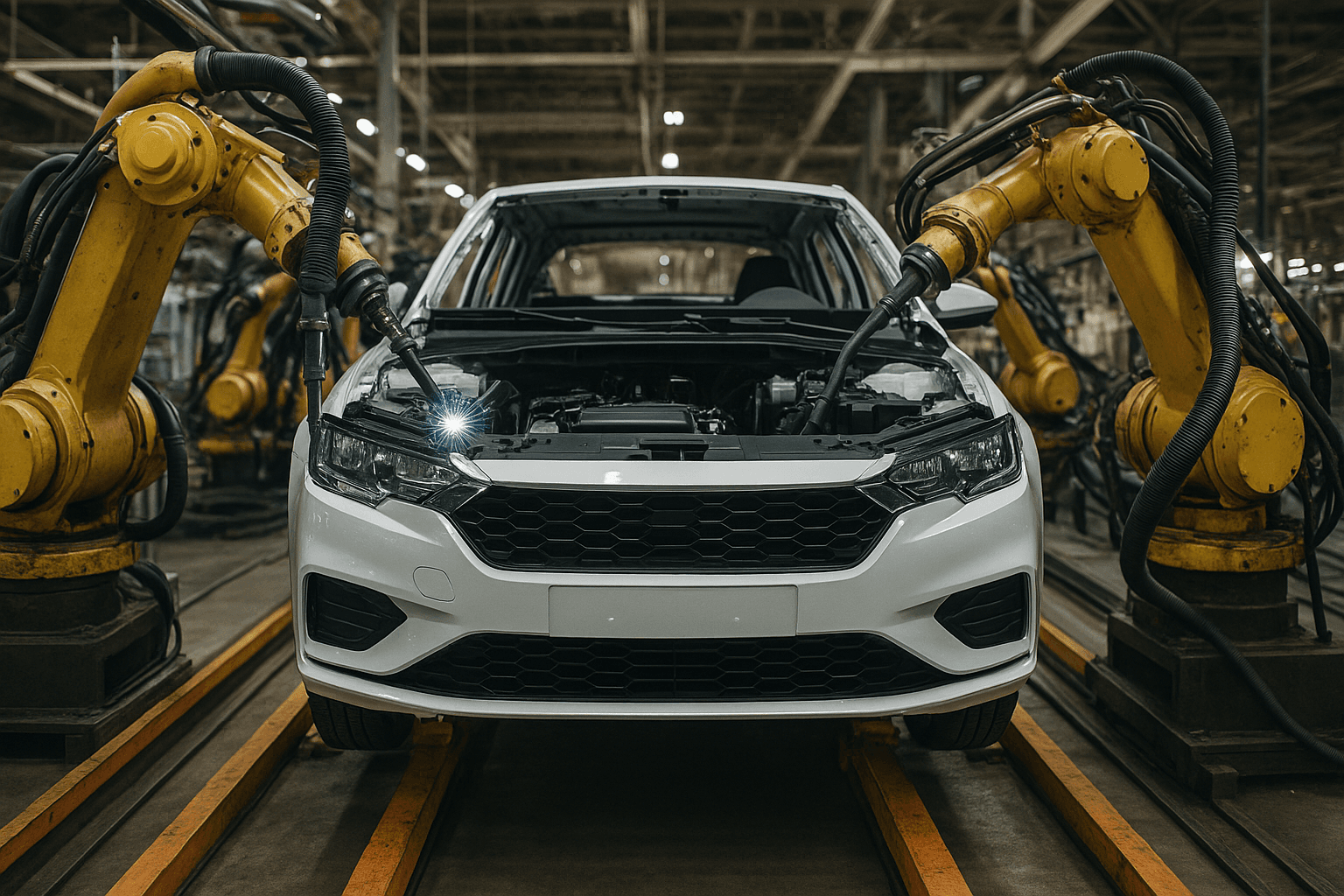
According to Aizaz, the industry has established an annual automobile production capacity of 600,000 units, indicating that the primary constraint is not supply but the country’s economic conditions.
He said growth in car sales was directly linked to consumer purchasing power, GDP growth, and the availability of affordable auto financing, all of which had fluctuated significantly over the past two decades.
Despite these challenges, the industry had achieved 50-65% localisation, by value, in components used in most Japanese cars, with around 1,200 auto component vendors directly employing 300,000 people, he added.
Commenting on the delay in announcing the Auto Policy 2026-31, Aizaz said the government wanted to make vehicles more affordable by reducing taxes, duties and sales taxes rather than improving productivity, supporting manufacturers or lowering the cost of doing business.
He cautioned that such an approach could affect assemblers’ procurement of locally manufactured components and encourage imports of parts and completely built-up (CBU) vehicles, including new and used cars, putting additional pressure on the country’s foreign exchange reserves.
The government was also attempting to balance the interests of Japanese, Korean, and Chinese automakers alongside the transition towards electric vehicles (EVs), he said.
However, job creation should be the primary objective of the auto policy, Aizaz said, pointing to Pakistan’s population of 255 million, of whom 65% are below the age of 35 and 45% are below the poverty line.
“My opinion is that once the government establishes job creation as its primary objective, everything else will fall into place,” he said.
Meanwhile, Pakistan Automotive Manufacturers Association (PAMA) Director General Razi-ur-Rahman also described the industry’s performance as stagnant, saying successive government policies had failed to deliver their intended targets.
He said the Auto Industry Development Programme (2007-12) recorded the production of 192,695 cars and light commercial vehicles (LCVs) in 2005-06 and set a target of reaching 500,000 units by the end of the policy period.
However, production reached only around 175,635 units by the targeted year. The industry produced 178,763 cars and LCVs during July-March of fiscal year 2025-26, he added.
Rahman said the performance of an industry operating under tightly controlled policies reflected a failure of government management and called for a comprehensive review of how the sector had been managed over the years.
He stressed that previous policies should be evaluated before introducing a new framework to identify shortcomings and develop a forward-looking strategy through wider consultations with stakeholders.
The ‘more of the same’ approach had repeatedly failed, he said, adding that 16 players were now competing for the same market, leaving individual manufacturers with smaller volumes and weakening the business case for investments in localisation.
This could push the industry towards greater reliance on imports, a concerning prospect for a country with a population of around 255 million, he added.
Citing a Gallup survey, Rahman said only around 6-7% of Pakistani households owned a four-wheel passenger vehicle, while approximately 53% owned a motorcycle. This translated into only around 11 people per 1,000 being able to afford a car, he said.
On the upcoming auto policy, Rahman said the Ministry of Industries and Production last consulted industry stakeholders in June 2026, with no significant engagement since then.
He attributed part of the delay to concerns surrounding the proposed policy’s compatibility with Pakistan’s ongoing International Monetary Fund (IMF) programme.
According to sources, some proposed provisions, including mandatory export requirements and minimum local value addition, were being viewed by the fund as potentially unfair trade practices, he said.
The government would need to address these concerns before securing the IMF’s approval, Rahman added.
He said there were reportedly concerns at the highest level of the government over provisions that had raised objections from the fund, with efforts under way to resolve the issues before taking them up with the IMF.