
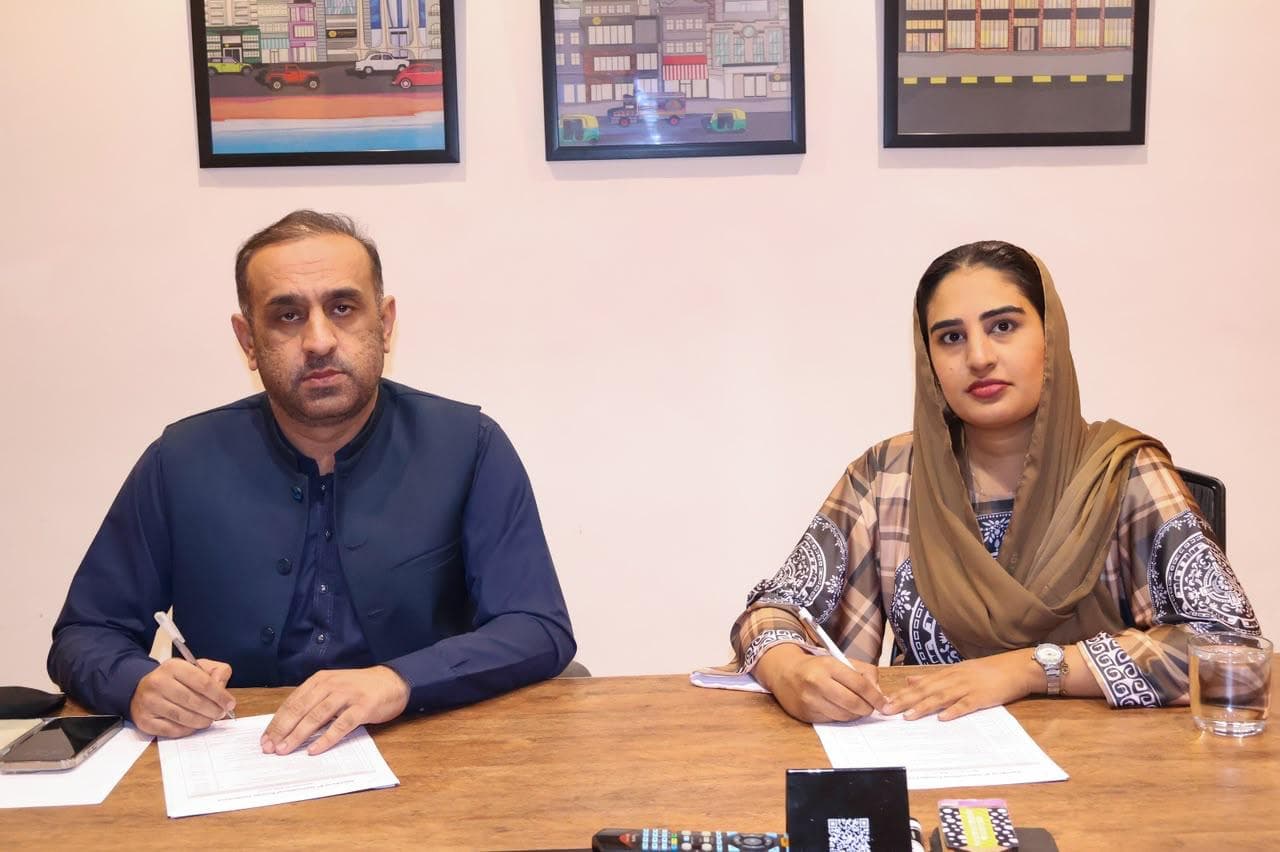
Dr. Maryam Amjad Joins People First as Director – Health & Wellness Gateway
People First Expands Health & Wellness Focus with Dr. Maryam Amjad
School Nutrition & Wellness Programs (People First)
Overview: Building a Health-Conscious School Culture
Schools shape far more than academics, they are vital spaces where children form lifelong routines around eating, movement, rest, and screen time. Under the Health & Wellness Domain, People First is launching dedicated programs that partner with school leadership, educators, and families to embed practical, evidence-informed nutrition and wellness habits into everyday school life.
Instead of fear or rigid restriction, the programs emphasize balance, moderation, variety, and informed choices. Each initiative is structured as a long-term, customizable partnership, not a single-day camp, supporting schools that want to align with Health-Promoting School (HPS) principles. (Participation supports documentation and alignment with HPS frameworks but does not by itself guarantee official HPS certification.)
Program Leadership
Dr. Maryam Amjad — Clinical Dietitian & Nutritionist, Wellness Coach, PNDS Member, and Director & Leader of the Health & Wellness Domain at People First.
Focuses on practical nutrition education, student wellness, healthy lifestyle awareness, preventive nutritional screening, and family-centered health guidance tailored to age-appropriate learning.
Programs & Core Components
Nutritional Screening & Assessment Program
Age-appropriate checks such as height and weight monitoring, BMI-for-age interpretation where appropriate, and questionnaires covering eating habits, hydration, and physical activity.
Educational & preventive only: Not a substitute for medical diagnosis or clinical treatment.
Student Nutrition Education Sessions
Younger children: "Eat the Rainbow," healthy lunch boxes, hydration, fruits and vegetables, smart snacking, why breakfast matters, everyday vs. occasional foods, and hygiene/food safety.
Older students: Balanced diets, macronutrients (carbohydrates, protein, healthy fats), sugar and ultra-processed foods, healthy weight and body image, physical activity, sleep and recovery, screen time, adolescent nutrition, and lifelong habits.
Healthy Lunch Box Program
Practical, affordable, and culturally relevant lunch box initiatives emphasizing balanced meals, smart snacks, hydration, portion awareness, and cutting back on sugary drinks and heavily processed snacks.
Parent Education & Awareness Program
Workshops for parents on picky eating, lunch boxes, sugar intake, screen time, breakfast, family meal routines, hydration, growth nutrition, and preventing childhood obesity.
Teacher & Staff Wellness Program
Sessions supporting educators and school staff in workplace nutrition, hydration, stress management, physical activity, sleep, and preventive health so they can model healthy habits.
Screen-Free & Active Lifestyle Program
Practical encouragement for outdoor play, active movement breaks, healthier screen-time boundaries, better sleep routines, and less sedentary time.
Student Health & Wellness Records
With school agreement and privacy safeguards, basic tracking to summarize participation, general nutrition trends, and educational priorities while keeping individual student details confidential.
Themed School Wellness Campaigns
Year-round campus activities tied to observances and themes such as World Health Day, Healthy Eating Week, Hydration Awareness, Physical Activity, Mental Well-being, Healthy Lunch Box campaigns, Childhood Obesity Prevention, Hygiene & Food Safety, Screen-Free Awareness, and Women's & Adolescent Health Education.
Value for Schools & How Implementation Works
Institutional Benefits: Fosters a healthier campus culture, deepens parent trust, supports student and staff well-being, and strengthens a school's reputation for holistic education.
Our Commitment: Educate. Assess. Empower. Prevent. Promote.
Customizable Partnership: Offered as a paid professional school wellness partnership tailored to student count, grade levels, program duration, number of assessments and sessions (for students, parents, and staff), campaigns, and reporting needs, with a detailed proposal shared following an initial consultation with school administration.