
Oil Likely to Cross $120 Again: Here’s Why
Global oil prices are currently trading around $118 per barrel, and traders are preparing for a highly volatile $120-rates-in-November scenario as fears of renewed hostilities between the US and Iran grow despite attempts by Pakistan and Gulf parties to help mediate an end to the war.
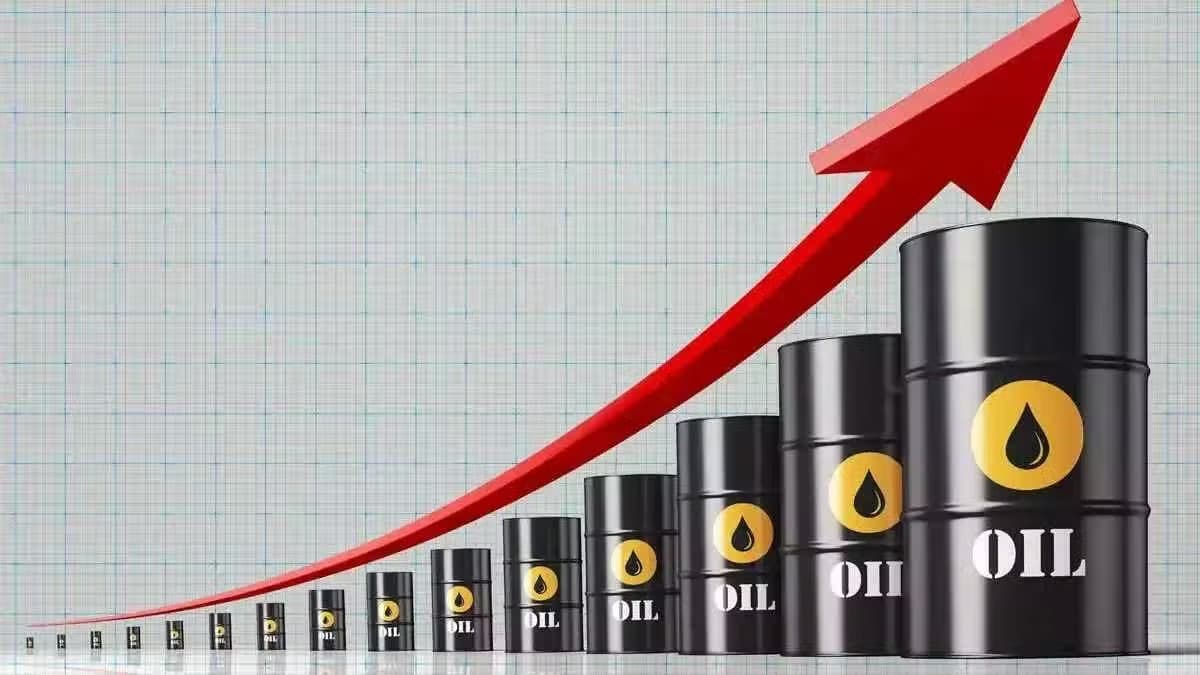
Oil Prices Near $120 as Fears of Renewed US-Iran Hostilities Grow
Global oil prices are currently trading at around $118 per barrel, with traders preparing for a highly volatile November as prices approach the $120 mark. Fears of renewed hostilities between the US and Iran are growing despite efforts by Pakistan and Gulf countries to help mediate an end to the conflict.
Despite mediation efforts by Qatar and Pakistan, most signals point towards a possible resumption of US-Iran hostilities in the coming weeks.
What Is Pushing Oil Towards $120?
The rally comes just days before the US midterm elections. Brent crude, the global benchmark, was trading above $116 per barrel last week, pushing oil prices into the danger zone.
Iran’s Islamic Revolutionary Guard Corps (IRGC) said three unidentified vessels struck naval mines in the Strait of Hormuz, caught fire, and were abandoned after taking an “unauthorised” route and ignoring Tehran’s warnings. The US Central Command (CENTCOM), however, denied the IRGC’s claims.
How Governments and Producers Are Responding
EU governments will release 42 million barrels of strategic oil and fuel reserves over the next three months, half of which will be diesel. France, which is releasing 10 million barrels, expects pump prices to fall by €0.12 to €0.18 per litre within days.
Gulf producers are also trying to find ways around the Strait of Hormuz.
Saudi Aramco has reportedly started offering discounted spot cargoes to European buyers for October and November arrivals, aiming to maximise loadings from its Red Sea coast.
Meanwhile, Abu Dhabi’s ADNOC has told clients that its second 1.5-million-barrel-per-day pipeline to Fujairah, which bypasses the Strait of Hormuz, is expected to begin its first deliveries in early 2027.
What This Means for You
Pakistan now revises fuel prices daily, meaning changes in global oil markets reach local petrol pumps much faster than under the previous fortnightly system. A volatile week in international markets could therefore lead to frequent changes in petrol and diesel prices across the country.
Petrol currently costs Rs. 377.91 per litre. At this rate, a motorist who uses 40 litres a month spends approximately Rs. 15,116 on fuel. Every Rs. 1 per litre increase adds Rs. 40 to that monthly bill, while a Rs. 10 increase would add Rs. 400.
The government has already stepped in once to keep prices steady. In its latest notification, it reduced the petroleum levy on petrol from Rs. 80 to Rs. 65.29 per litre and made local refineries absorb a Rs. 14.71 per litre increase in import costs.
Whether the government can continue cushioning consumers if Brent crude crosses $120 remains to be seen.
Other Developments in Energy Markets
Russia plans to extend its diesel export restrictions through January while granting separate quotas for cargoes bound for the US.
Egypt has bought six fuel oil cargoes for November-December delivery as soaring LNG prices strain its finances. It has already spent 60% of the $10.1 billion budgeted for LNG imports in 2026/27.
Libya has seen another shutdown of a valve on its Hamada-Zawiya pipeline by an armed group, halting flows to the country’s largest refinery, the 120,000-barrel-per-day Zawiya plant.
Asia has seen fuel oil price spreads reach record highs due to record freight costs from Europe.
Japan is set to overtake China as the world’s largest LNG importer this year, with imports expected to reach 62 million tons, compared with China’s projected 61 million tons.
Written by
People First